
Is Solar Worth It in 2026? The Honest Maths
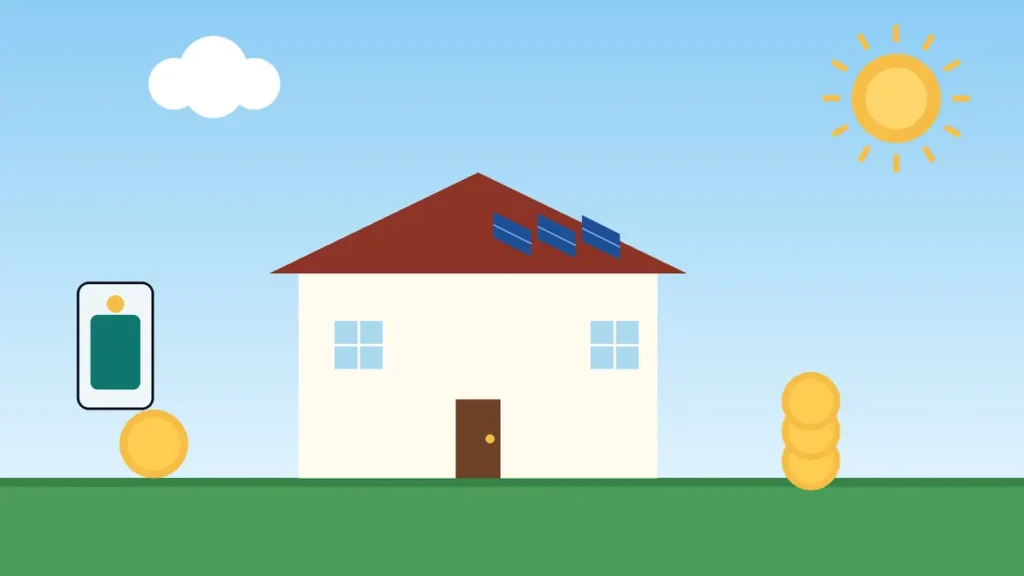
The short answer: solar is worth it in 2026 for a specific, identifiable set of households, marginal for others, and a poor buy for some. Five numbers decide which you are: your electricity rate, your sunshine, the price per watt you pay, your export rules, and your roof and how long you’ll stay under it. There is no federal credit left to forgive a bad quote — at a fair price, typical payback lands between 8 and 14 years.
For a decade, the answer to “is solar worth it?” was smuggled inside a tax form. The 30% federal credit forgave mediocre prices, shaky production estimates and generous sales commissions alike. Federal rules changed after 2025, and that credit is gone for new homeowner installations. So the question deserves a fresh, unsentimental answer — built from the five numbers that actually decide it, with real 2025 prices and no brochure arithmetic. The short version: solar is worth it in 2026 for a specific, identifiable set of households, marginal for others, and a poor buy for some. Here’s how to tell which one you are.
The five numbers that decide everything
- Your electricity rate. Every solar kWh is worth what it stops you buying. At 31¢ (California) each unit of production earns roughly double what it earns at 15¢ (Texas) and two and a half times what it earns at 12¢ (Utah). Rate is the single strongest predictor of solar’s value.
- Your sunshine. Peak sun hours range from ≈6.5 in Arizona to ≈3.9 in Washington. Sunshine and rate multiply together — which is why Hawaii (sunny, 41¢) is solar paradise and the Pacific Northwest (cloudy, cheap hydro) is the hardest maths in America.
- Your price per watt. At the 2025 average of ≈$2.85/W, a fair system pays back in reasonable time across much of the country. At $4/W — common in high-pressure sales channels — the same roof can fail entirely. Price per watt is the number you control most, by getting competing quotes.
- Your export rules. As our net metering guide shows, whether surplus power earns 100% or 25% of retail swings lifetime value by five figures.
- Your roof and your tenure. A good roof you’ll stay under for 15+ years captures the profit years. Moving in year 4, or re-roofing in year 5, amputates them.

The same system in four states
Hold the hardware constant — a 9.4 kW system at $2.85/W ($26,790, no incentives) producing per each state’s sunshine — and vary only geography:
- California (≈31¢, 5.6 sun hrs): year-1 production ≈15,400 kWh. Even with net-billing export discounts, self-consumed power at 31¢ drives payback to roughly 6–7 years and 25-year net profit well into five figures. Verdict: worth it for most homeowners with decent roofs — sized to usage, ideally with storage.
- Arizona (≈16¢, 6.5 sun hrs): production ≈17,900 kWh — the best in the country — but exports earn well under retail. Payback ≈9–11 years for a right-sized, self-consumption-focused design. Verdict: worth it, provided the system is not oversized.
- Texas (≈15¢, 5.3 sun hrs): production ≈14,550 kWh. On a retail-rate buyback plan, payback ≈10–11 years; on a wholesale-export plan, 13+. Verdict: worth it on the right electricity plan — the plan choice is part of the purchase.
- Florida (≈16¢, 5.4 sun hrs): production ≈14,800 kWh with retail net metering currently in place — payback ≈10 years, plus sales- and property-tax exemptions quietly helping. Verdict: worth it, with an eye on tariff politics.
Now the honest counterexamples. A shaded roof in Washington state at 12.8¢ with a $3.60/W quote stretches payback past 18 years — beyond the inverter’s life and deep into “only if you love it” territory. A household using 400 kWh a month can’t spread fixed installation costs over enough production. A homeowner planning to move in 2028 sells before the profit years arrive (though owned solar does add resale value, it rarely returns the full unamortised cost). For those households, the correct 2026 answer is: not yet — fix the quote, the timing, or wait.
What “worth it” should include — and what it shouldn’t
Run the decision on bill savings versus full cost, the way our Payback Calculator does. Be wary of padding from either side. Sales material inflates the case with assumed 5–6% annual price rises (use 3% and stress-test at 0%), home-value uplift counted as cash, and “bill elimination” that ignores fixed charges. Sceptics understate it by ignoring escalation entirely and assuming year-1 savings repeat flat for 25 years — historically false in the other direction. The truth needs both adjustments: prices rise, panels fade, and both effects belong in the model.
Two legitimate non-cash factors deserve honest weight: resilience (solar plus storage keeps essentials running in outages — worth real money in hurricane, ice-storm and wildfire-shutoff country, though solar alone without a battery shuts down with the grid) and price insurance (owning your generation caps exposure to the rate shocks of the 2020s). Neither should be used to rescue a payback of 20 years, but both can fairly tip a 12-year decision.
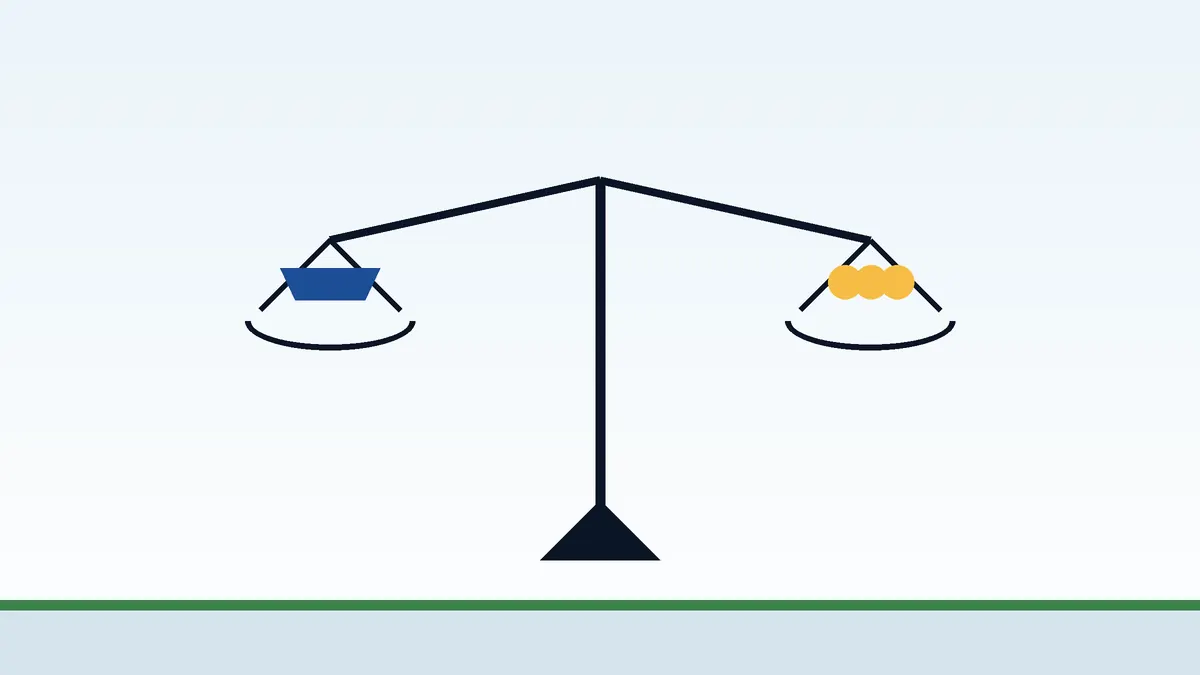
The 2026 decision checklist
- Your rate is ≥18¢/kWh, or ≥14¢ with 5+ sun hours → the maths usually works at a fair price.
- You can buy at ≤$3.00/W cash from a reputable installer (get three quotes; compare on $/W only).
- Your roof faces south, east or west (or a combination), has limited shade, and has 12+ years of life.
- You’ll stay in the home 10+ years.
- You’ve read your utility’s export tariff and modelled with its real export percentage.
- No part of your decision depends on a federal credit that no longer exists for homeowners.
Tick most of those and solar in 2026 is a sound, boring, infrastructure-grade investment: roughly utility-bond returns with a hedge against your own bills, paid back in a decade and profitable for fifteen years after. Miss most of them and the honest answer is to wait, negotiate harder, or spend the money on insulation and a heat pump first — efficiency has no export tariff at all.
Your five numbers, your verdict: run the Payback Calculator with your real rate and a $2.85/W benchmark, then the 25-Year Projector with your actual export rules. If a salesperson’s figures beat ours by a lot, ask which assumption differs — our guide to sales traps lists the usual suspects.